
My son came home from school and said: "Nobody wanted to play my game at recess."
It turned out he'd made up rules on the spot, changed them when he was losing, and got frustrated when others didn't understand. He wasn't being mean. He just hadn't learned the skills that make games work — communication, flexibility, taking turns, accepting when things don't go your way.
Games are where social skills get practiced for real. Not in lessons or worksheets, but in the moment when someone else takes the piece you wanted, when you have to wait your turn, when you lose and have to decide how to handle it.
The games below are designed with social learning built in. They're simple to play. The challenge is the social navigation.
8 Social Skills Games for Kids
1. The Building Challenge
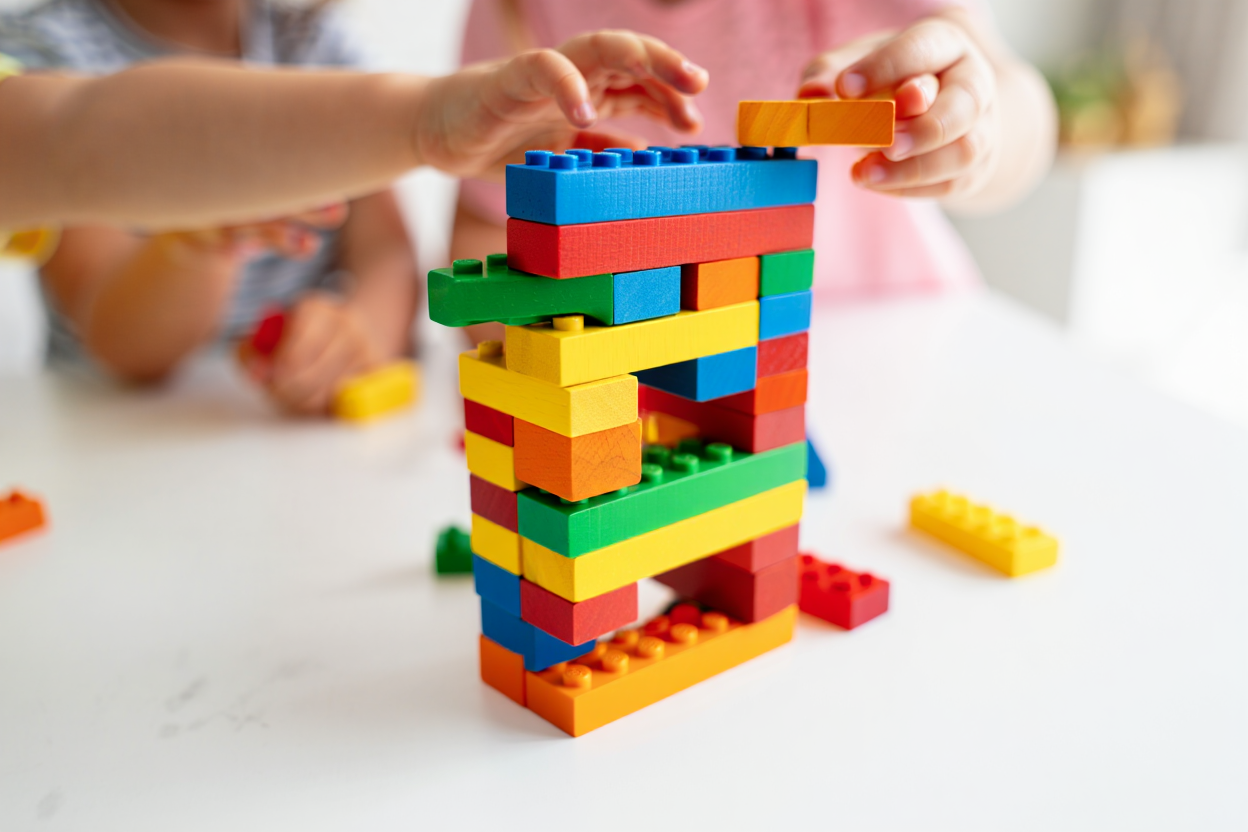
Teams build a tower together with one rule: you can't talk. Communication has to happen through gestures, facial expressions, and watching each other. Children discover that teamwork requires attention to others, not just their own ideas.
Materials: Blocks, Legos, or cardboard boxes
Social-emotional challenges:
- Someone starts talking. Gently remind: "No words. How else can you show your idea?"
- Someone takes over and won't let others contribute. After: "Did everyone get to add pieces? How could we make sure?"
- The tower falls because of someone's piece. "That's frustrating. What could you do instead of blaming?"
- Someone's idea gets ignored. "How did it feel when they didn't understand what you wanted?"
- After the game: "What was hard about not talking? What did you learn about your teammates?"
2. The Back-to-Back Drawing
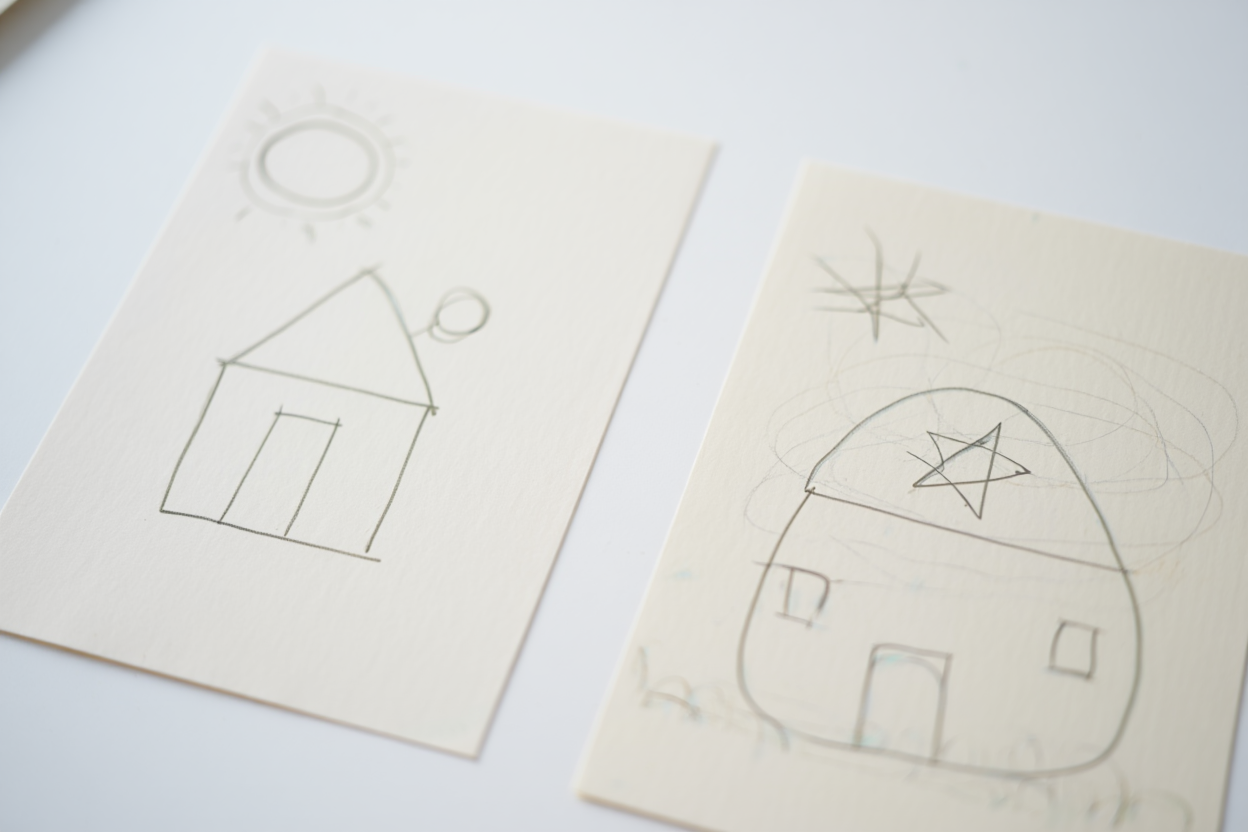
One child describes a simple picture while another draws it without seeing the original. The describer can't look at the drawing; the drawer can't look at the picture. This is pure communication practice — being clear, asking questions, handling misunderstanding.
Materials: Paper, crayons, simple pictures to describe
Social-emotional challenges:
- The drawing looks nothing like the picture. "What happened? Where did the communication get tricky?"
- The describer gets frustrated: "You're not listening!" Ask: "Maybe she heard differently than you meant. Try saying it another way."
- The drawer gives up. "It's confusing. But keep trying. Ask her questions."
- Someone blames the other when it doesn't work. "You both tried. What could you do differently next time?"
- Swap roles: "Now you try describing. Is it harder than you thought?"
3. Friendship Coloring Together
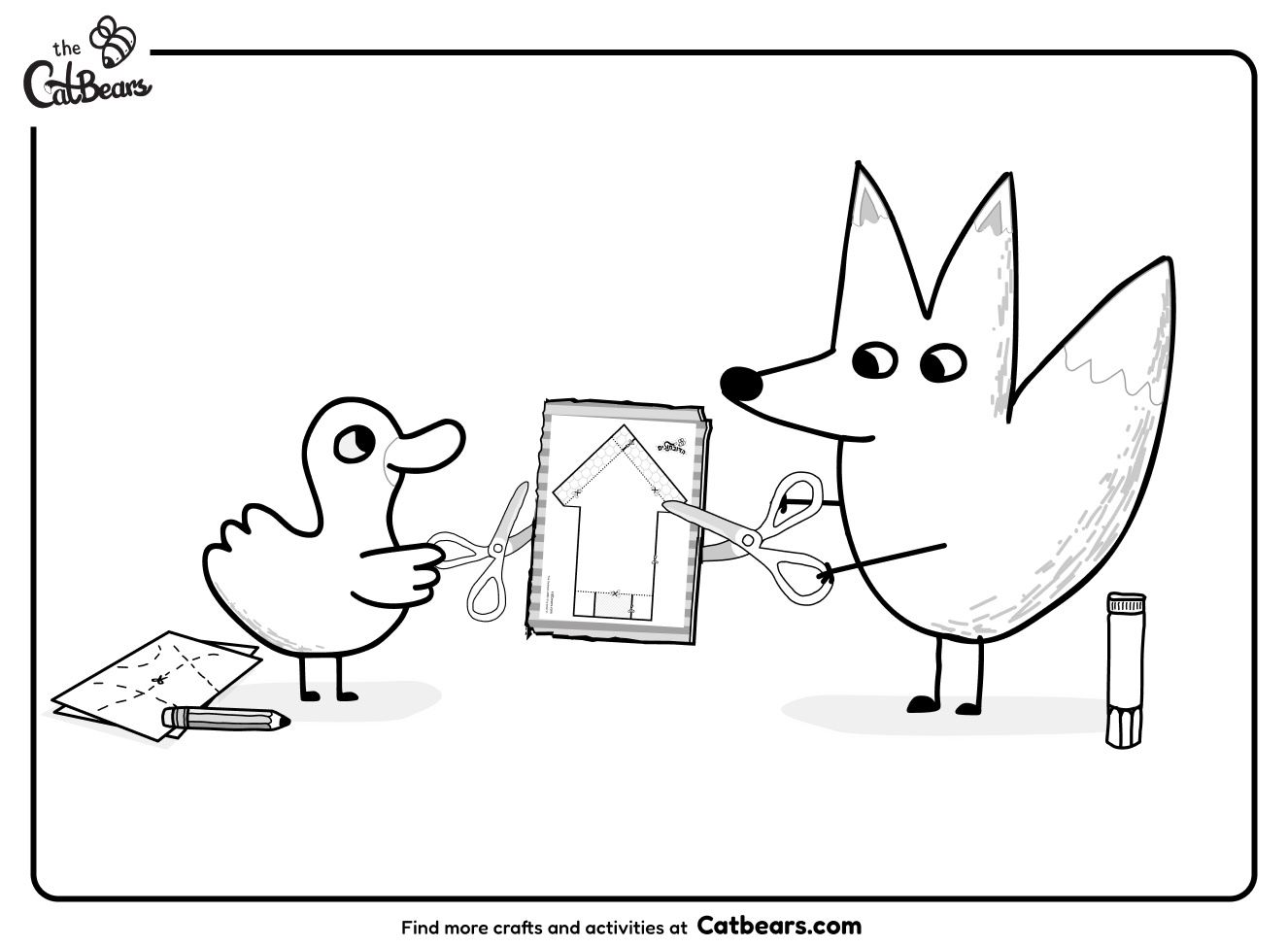
Find the activity here: Duck & Fox Friendship Coloring Page →
Print a friendship coloring page and color it together. One child colors one character, another colors the other. They share crayons, decide together who colors what, and create something to give away when they're done. The coloring is calm — the social decisions are the practice.
Materials: Printed coloring page, crayons or markers
Social-emotional challenges:
- Both children want to color the same character. "You both want the duck. What could you do?"
- Someone colors into the other person's area. "Your colors are meeting. What do you think?"
- They disagree about color choices. "He's making the fox purple!" Let it be: "There are lots of ways to color."
- Someone finishes their part and wants to stop. "She's still working on hers. What could you do while you wait?"
- At the end: "Who should you give this to? You made it together."
4. The Feelings Charades
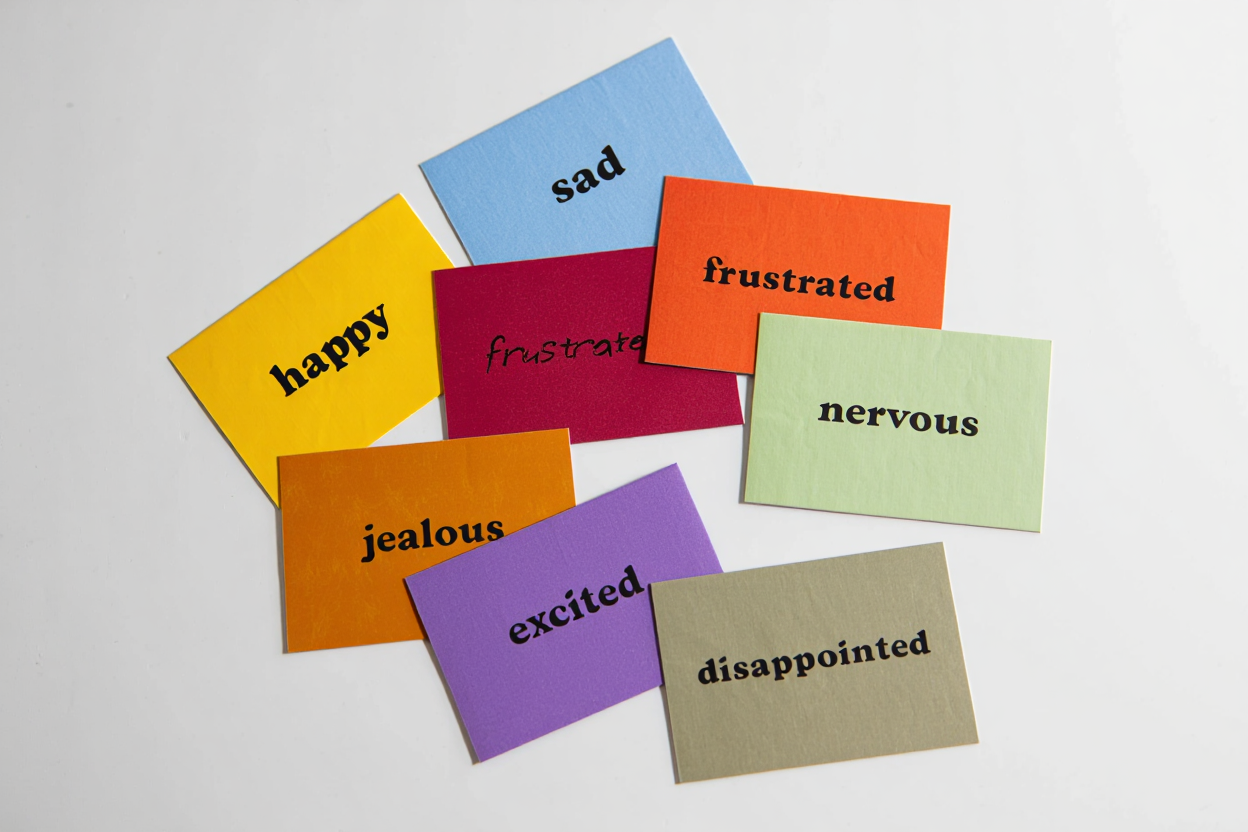
Children act out emotions while others guess. Simple, but it builds emotional vocabulary and the ability to read expressions — key social skills. We include tricky emotions: frustrated, jealous, disappointed, nervous — not just happy and sad.
Materials: Cards with emotion words (or just call them out)
Social-emotional challenges:
- Someone doesn't know how to act out an emotion. "What does your face do when you feel jealous? What about your body?"
- The guesser says something hurtful: "You look stupid!" Address it: "That's not kind. What could you say instead?"
- Someone always guesses wrong. "It's hard to read faces sometimes. Keep watching — you'll get better."
- A hard emotion comes up and the child won't act it out. "It's okay to skip. But acting out feelings helps us understand them."
- After: "Which emotion was hardest to show? Which was hardest to guess?"
5. The Compliment Circle
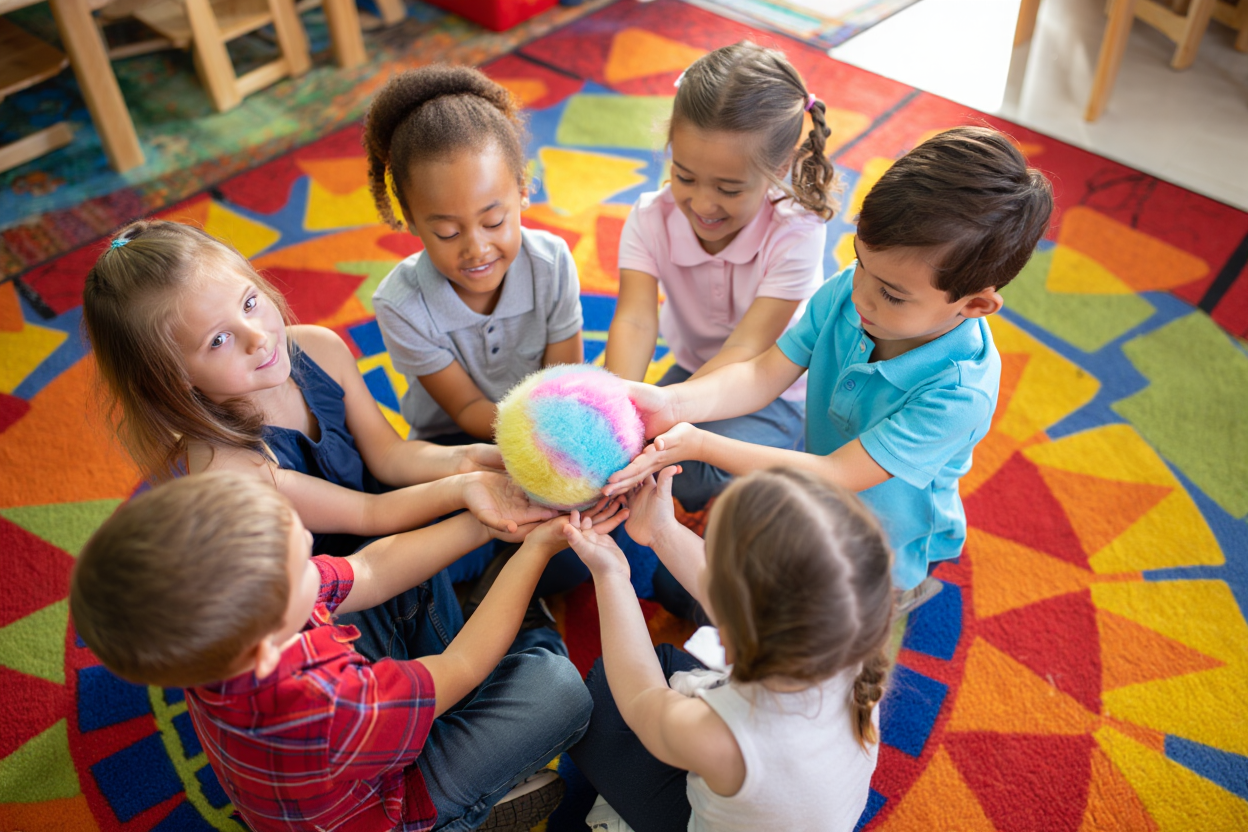
Children sit in a circle. Each person says something kind about the person next to them. Sounds simple, but finding genuine kind words for everyone — including people we don't always get along with — is real practice.
Materials: None (or a ball to pass)
Social-emotional challenges:
- Someone can't think of a compliment. "What's one thing you've noticed about him? Something he does well?"
- A compliment comes out sarcastic or backhanded. "That didn't sound kind. Can you try again with something true and nice?"
- Someone has to compliment a child they're in conflict with. "Even people we don't always get along with have good things. What's one?"
- Someone feels awkward receiving a compliment. "It feels strange sometimes. Just say thank you."
- Someone gives the same compliment to everyone. "Each person is different. What's special about her?"
6. The Yes-And Story
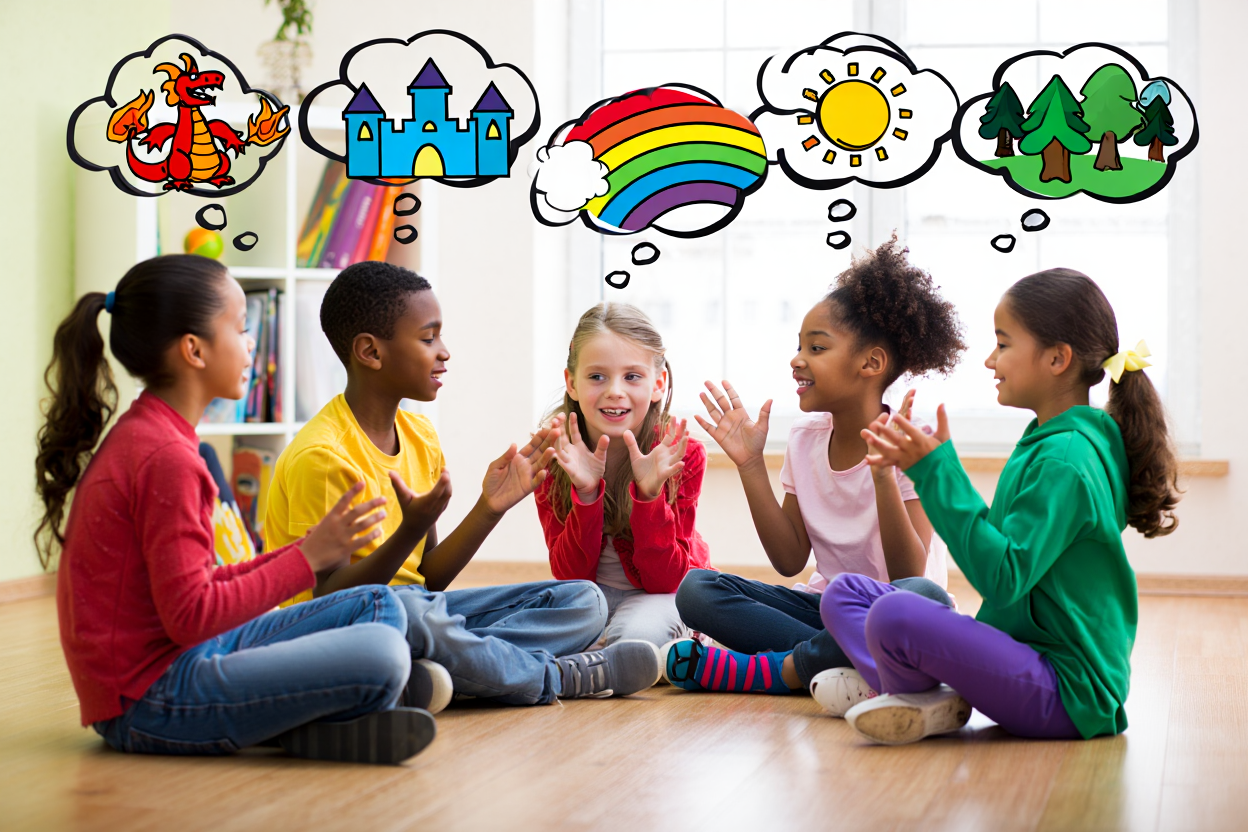
One person starts a story with one sentence. The next person continues with "Yes, and..." — accepting what came before and adding to it. This improv game teaches the foundational social skill: building on others' ideas instead of rejecting them.
Materials: None
Social-emotional challenges:
- Someone says "No" or "But" instead of "Yes, and." Gently: "Remember, we accept what they said. Start with yes."
- Someone takes the story in a direction others don't like. "That's part of the game. Accept it and see where it goes."
- Someone tries to control the whole story. "Everyone adds one piece. Then it's the next person's turn."
- The story gets silly or gross. Let it run: "In this game, we accept all ideas. What happens next?"
- Someone quits because they don't like where it went. "The story belongs to everyone. Your next turn is coming."
7. The Slow-Motion Race

The last person to cross the finish line wins. Children race in extreme slow motion. This flips competition on its head and requires patience, self-control, and a different kind of winning.
Materials: A start and finish line
Social-emotional challenges:
- Someone goes too fast because they forget. "Slow down! The goal is to be last."
- Someone gets frustrated that winning is backward. "This game is different. How does it feel when the rules change?"
- Someone "cheats" by stopping completely. "You have to keep moving — just slowly. Can you find the slowest motion?"
- Someone doesn't want to lose (which means going fast). "In this game, losing the race means winning. Sit with that."
- After: "What was hard about going slow? Where else do you have to be patient?"
8. The Problem-Solving Puppet Show
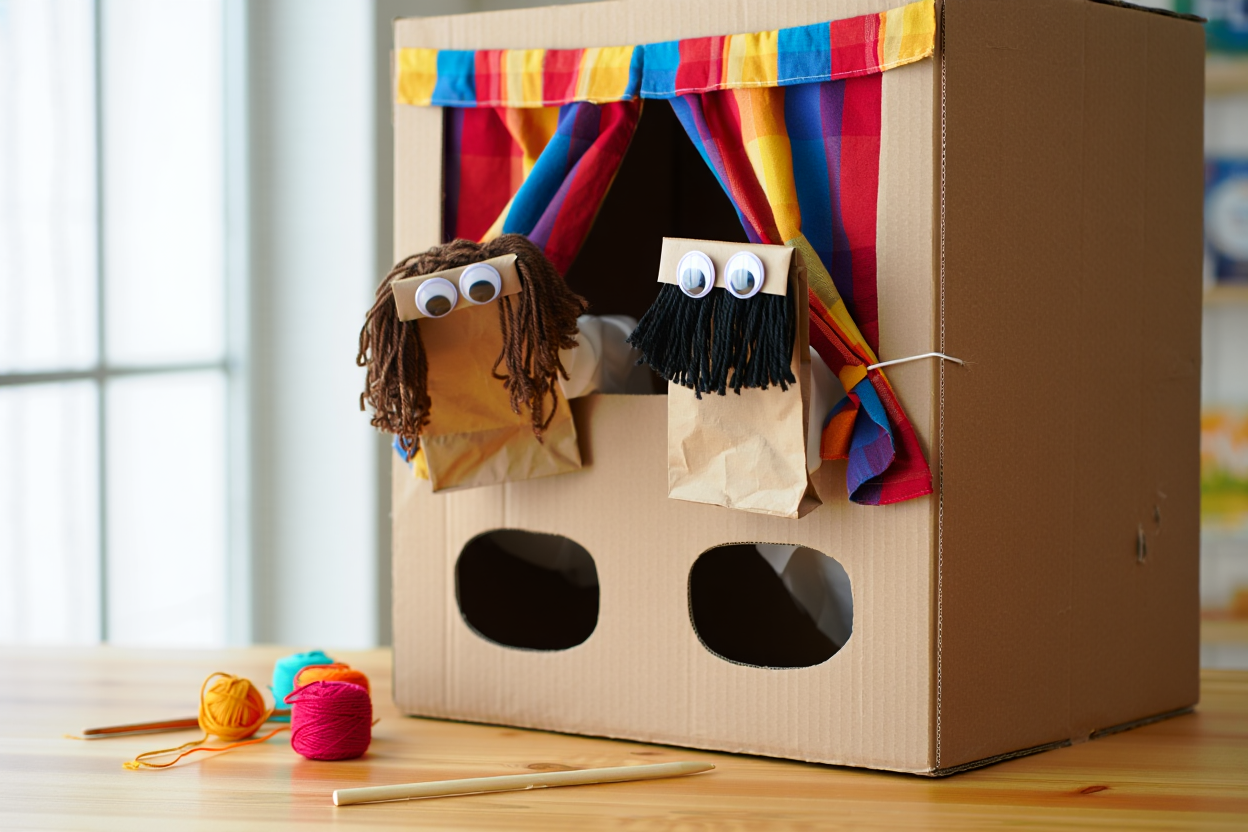
Give children puppets and a scenario with conflict: two friends want the same toy; someone said something hurtful; a new kid doesn't have anyone to play with. Children act out the problem AND figure out a solution through the puppets.
Materials: Simple puppets (paper bags, socks), a "stage"
Social-emotional challenges:
- The puppets just fight without resolving anything. "What could they do to solve this? Let's see them try."
- Someone makes their puppet the hero who fixes everything. "What could the other puppet do? They both need to work on it."
- The scenario hits close to home for a child. Let them play it out — the distance of puppets makes it safer.
- The children disagree about how to resolve it. "There might be more than one solution. Let's see both."
- After: "If this happened for real, what would you do? How did the puppets help you think about it?"
Puppet shows are at the heart of what we teach. Our course guides you through building a full puppet show — from making puppets to writing stories to performing together. The first lesson is free.
Why Games Work for Social Skills
Social skills can't be taught through lectures. They develop through practice — in real moments where children have to communicate, share, wait, lose gracefully, and work through conflict.
Games provide these moments in doses small enough to handle. A disagreement over puzzle pieces is practice for bigger disagreements later. Learning to accept someone else's story direction is practice for accepting ideas we didn't think of at school, at work, in relationships.
A few weeks after we started playing these games, my son came home and said: "I taught my friends the yes-and game at recess."
He'd taken something we practiced and shared it. The skills were becoming his own — not because I told him to be cooperative, but because he'd experienced what cooperation feels like through play.