



Free SEL Resources
Social-emotional learning (SEL) tools that teach children to understand their feelings, work through conflict, and get along with others
 PDF
PDF I Want to Fly: A Growth Mindset & Power of Yet Story for Kids | The Catbears
A duck can't fly, no matter how hard he tries, until he learns to ask for help. A growth mindset story for kids about big feelings and the power of yet. Read on screen or print.
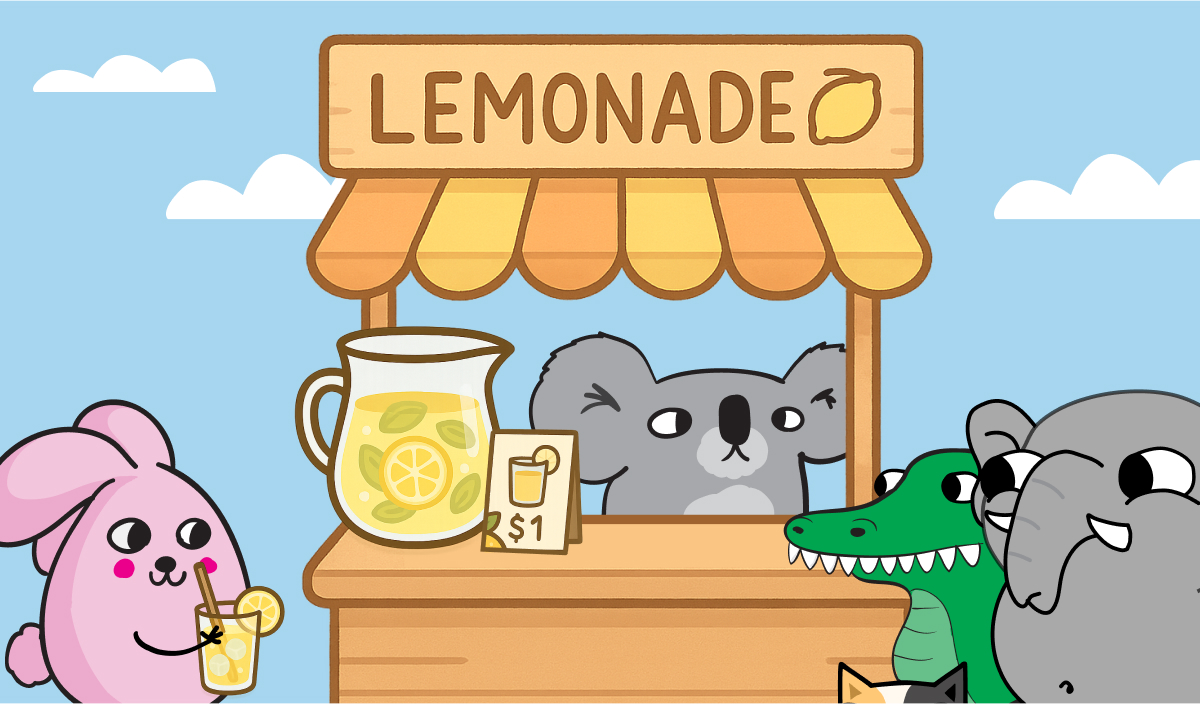
The Tastiest Lemonade in the World
A refreshing activity for kids: make sweet, delicious lemonade together with the whole family. Learn teamwork and enjoy the perfect summer drink.

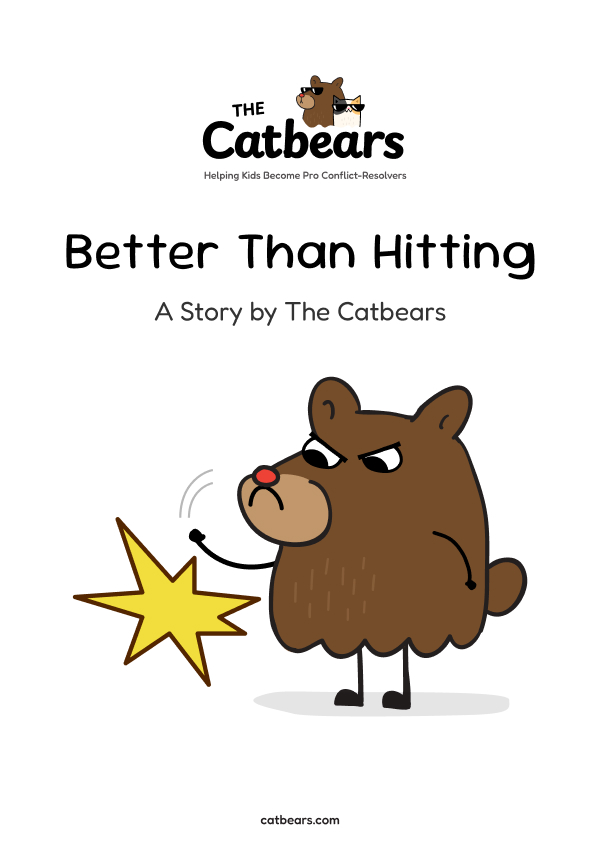
Better Than Hitting
Oh boy... We all sometimes get so mad that we want to hit! But wait, there's other, better things we can do instead!
 SEL
SEL What to Do When Someone's Left Out
An interactive social game about including others, and what to do when a friend wants to join the game
 PDF
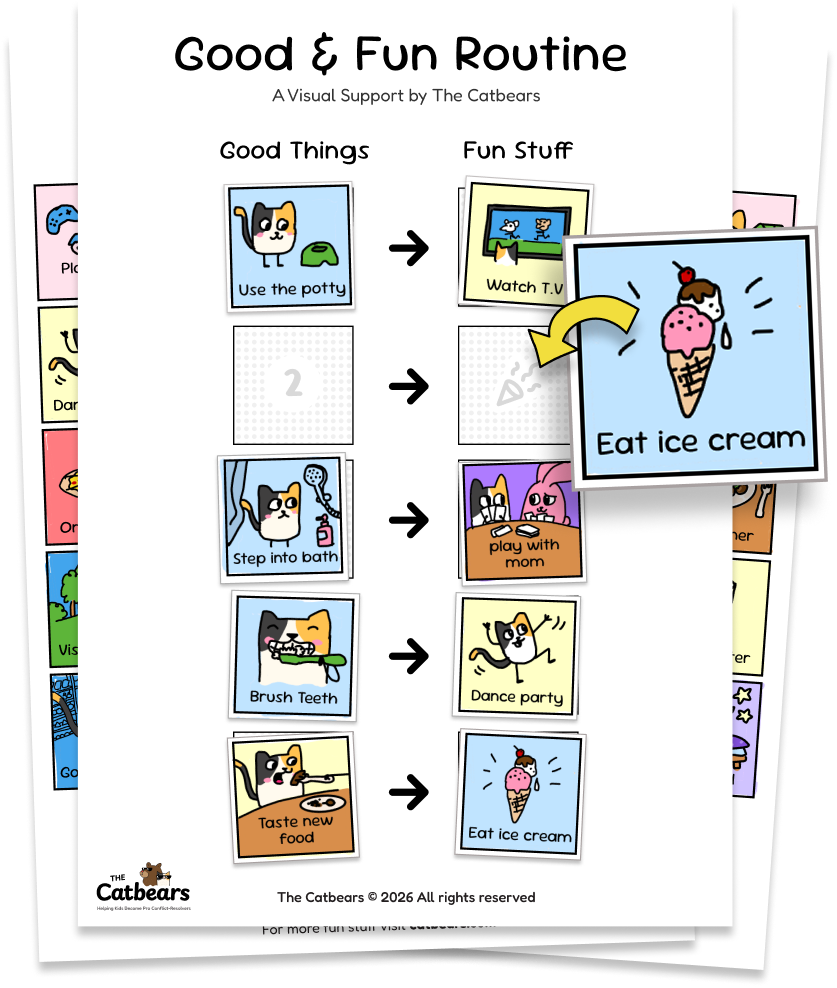
PDF Free Visual Schedule for Autism PDF | Good & Fun Routine Planner | Catbears
Download our free printable visual schedule for autism. This 5-step 'Good & Fun' routine planner helps children with ASD and ADHD manage transitions, reduce meltdowns, and build daily independence.
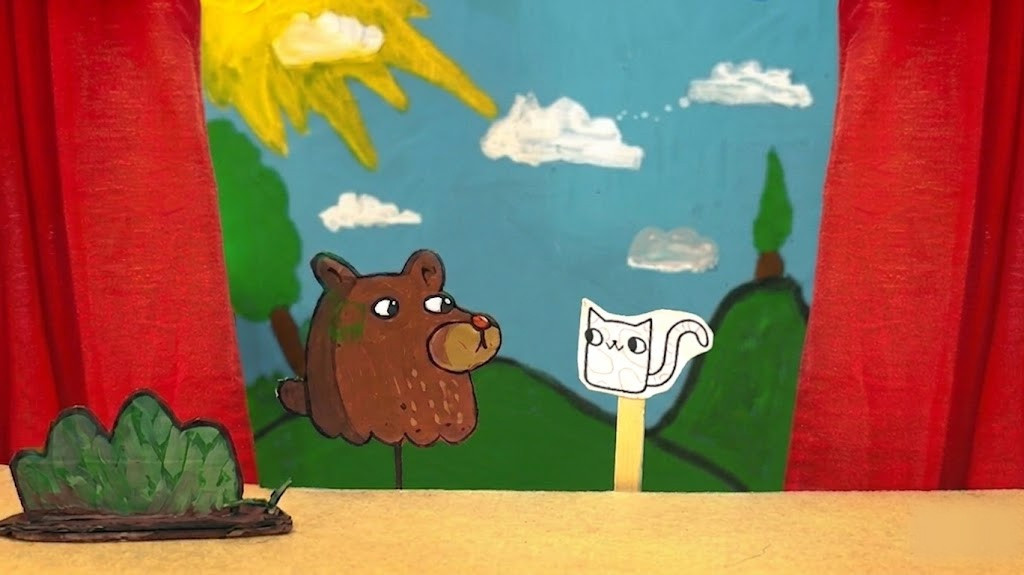
Make a Stick Puppet
A fun craft for kids: make a stick puppet of your favorite animal. Choose an animal, glue it on cardboard, cut it out, add a stick, and color it for your own puppet show.

Can't or can
Jordy feels that "I Can't" feeling. What can he do to feel "I Can"?
 SEL
SEL Help a Friend Having a Bad Day
An interactive social game about empathy and how to support a friend who's having a tough day
 PDF
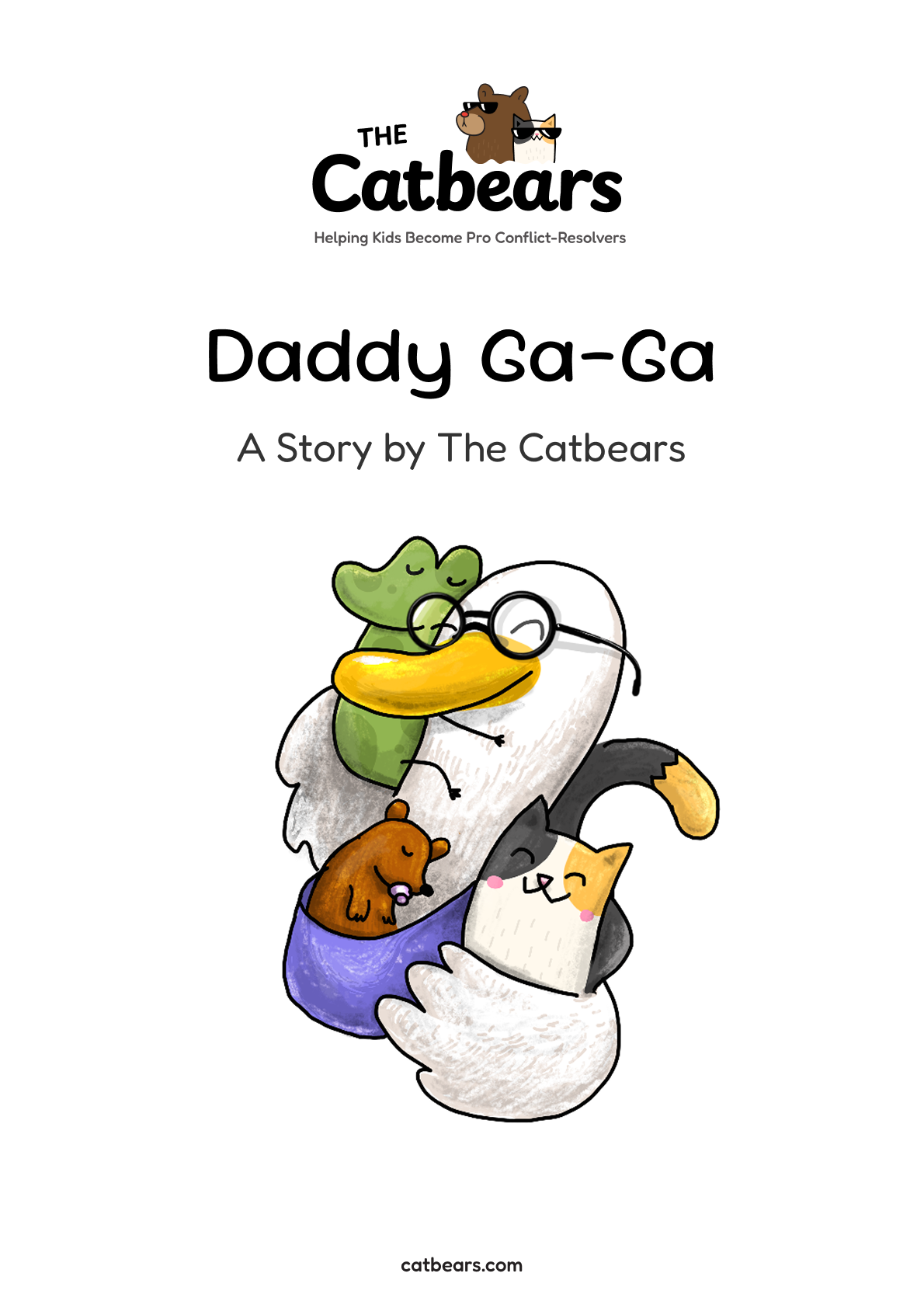
PDF How to Stop Yelling at Your Kids (2026) | Daddy Ga Ga Parenting Story | Catbears
A short illustrated parenting story that helps parents stop yelling, understand disrespectful behavior, and rebuild trust without fear. Printable PDF.

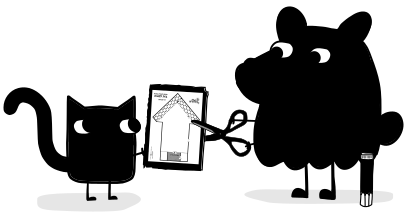
Build a House from Cardboard
A hands-on craft for kids: build a little house out of cardboard, cut it, fold it, add doors and windows, and paint it. Starts with a short social game about sharing and fairness.

Fair not fair
If everyone wants the same thing, can we make it fair for everyone?
 SEL
SEL Play Something Else
An interactive game about assertiveness: how to say no to a friend without being mean, and finding a game you both enjoy
 PDF
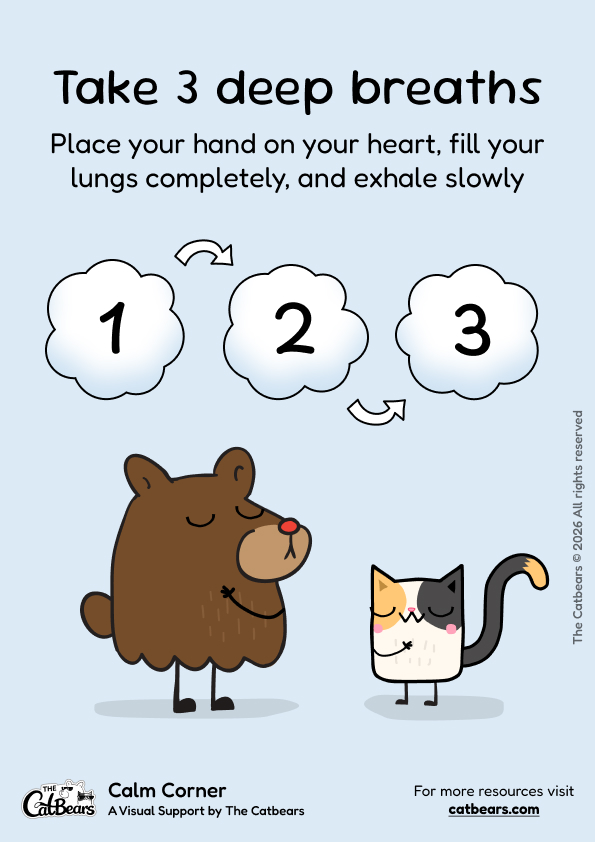
PDF Calm Down Corner Printables for Kids | Free Printable PDF | The Catbears
Free calm down corner printables for kids. Create a visual self regulation space with simple printable tools for home, classroom, therapy and counseling settings.
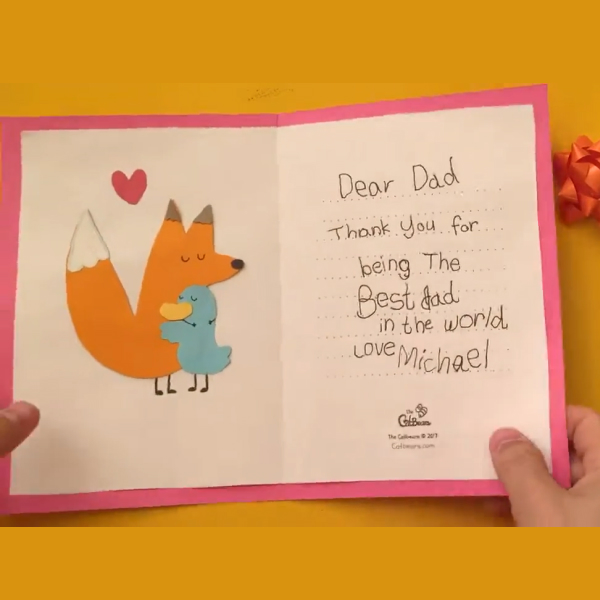
Greeting Card for Someone You Love – Creative Activity
A special card for a special someone. Create a personal greeting card for someone you love. It could be a parent, a grandparent, or a close friend.
 SEL
SEL He Took My Toy
An interactive game about sharing and taking turns: what to do when someone takes your toy without asking
 PDF
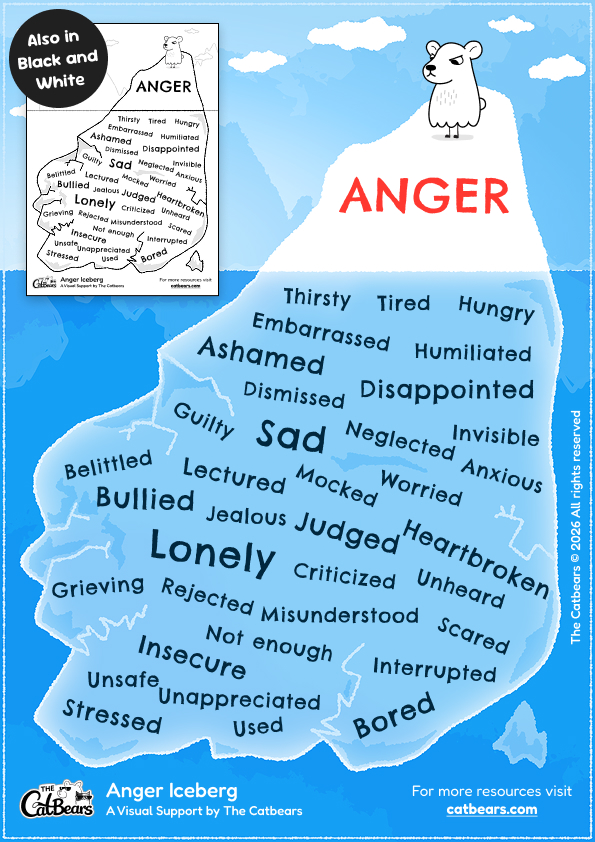
PDF Anger Iceberg Printable PDF for Kids | The Catbears
Help children understand what's really behind their anger. Free anger iceberg printable PDF — perfect for parents, teachers and therapists. Download instantly.
 SEL
SEL Boop Boop
An interactive game about setting a boundary: a friend keeps poking you and thinks it's funny, so how do you get him to stop and stay friends?
How to Set Up a Calm Down Corner | Printable Bundle | The Catbears
The complete calm down corner printable bundle - 6 posters (12 pages) across 4 resources. Everything you need to set up a calming space for kids at home, school, or therapy.
 SEL
SEL What Am I Feeling?
Explore emotions by tapping feeling cards and watching Bear act them out
 PDF
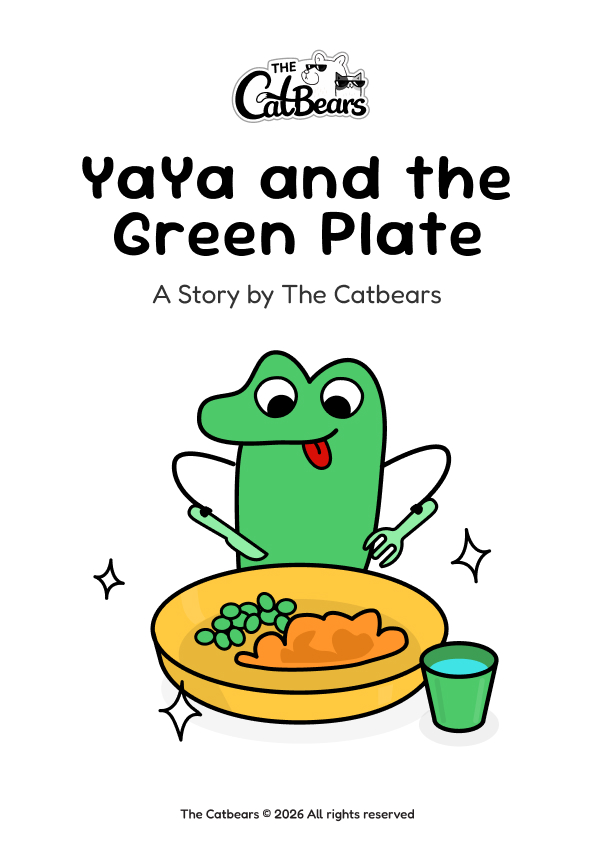
PDF Free Social Story About Anger & Disappointment for Kids (PDF) | Catbears
Free social story about anger and disappointment for kids. Shows what happens when a child doesn't get what they want, and how friends help. Teaches emotional regulation, calming down, and coping with big feelings.
 PDF
PDF Feelings & Emotions Coloring Pages | Free Printable PDF | The Catbears
Free printable feelings and emotions coloring pages for kids. One sheet with 20 feeling faces to color and name, from happy and calm to worried and jealous. Download the PDF free.
 PDF
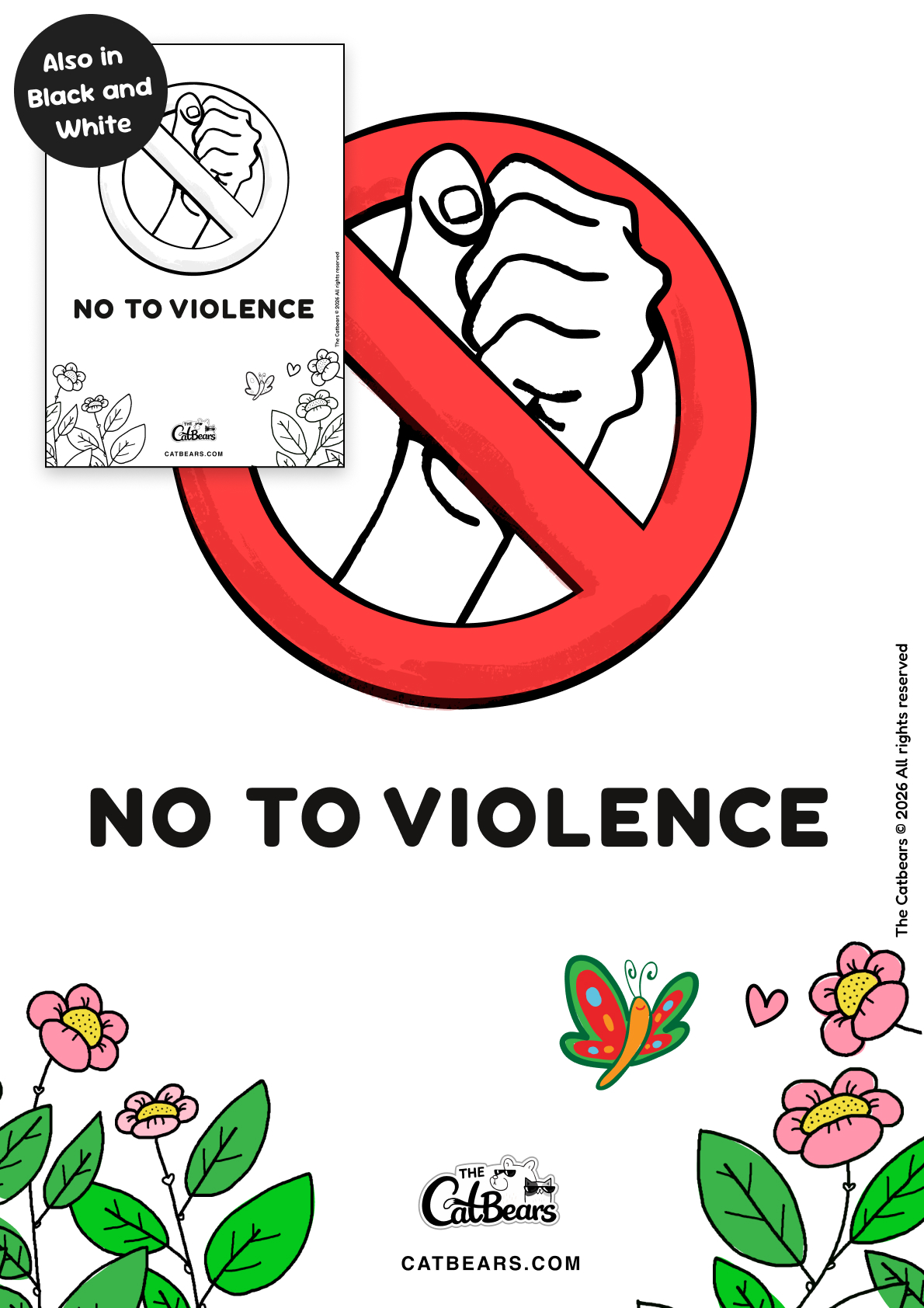
PDF Safe Hands Visual Poster for Kids | Free Printable PDF | The Catbears
Free printable safe hands visual for kids - hang it on the wall, point to it when it matters. Designed for parents, teachers and therapists. Download instantly.
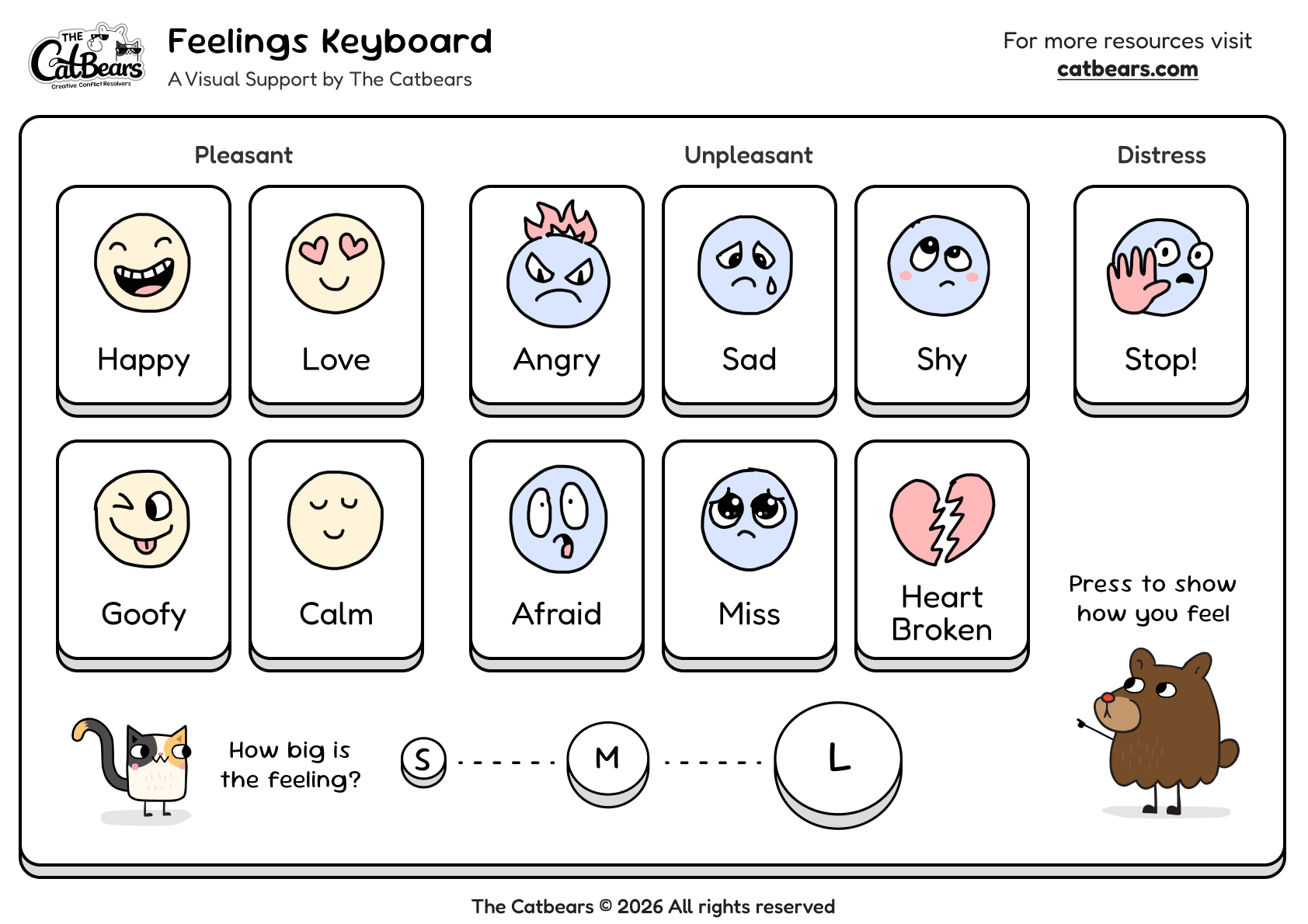
PDF Feelings Chart for Kids PDF Free Printable | Catbears
Free feelings chart for kids PDF. A visual keyboard that helps children name emotions, show how big the feeling is, and practice the Pause to Relax skill.
 PDF
PDF No Hitting Social Story PDF Free Printable | Catbears
Free no hitting social story PDF for young children. A simple visual story that helps kids keep hands to themselves and handle big feelings safely.
 PDF
PDF Free printable emotion faces pdf (2026)
Free printable emotion faces PDF for kids. Cut out the Bear's eyes, mouths and expressions, then mix and match to build and play with feelings. Simple, intuitive, free.
 PDF
PDF Quality Time With Kids: One-on-One Time Calendar | Free Printable PDF | Catbears
Free printable one-on-one time calendar for planning quality time with each child. A simple visual tool for parents, teachers, and therapists.
 PDF
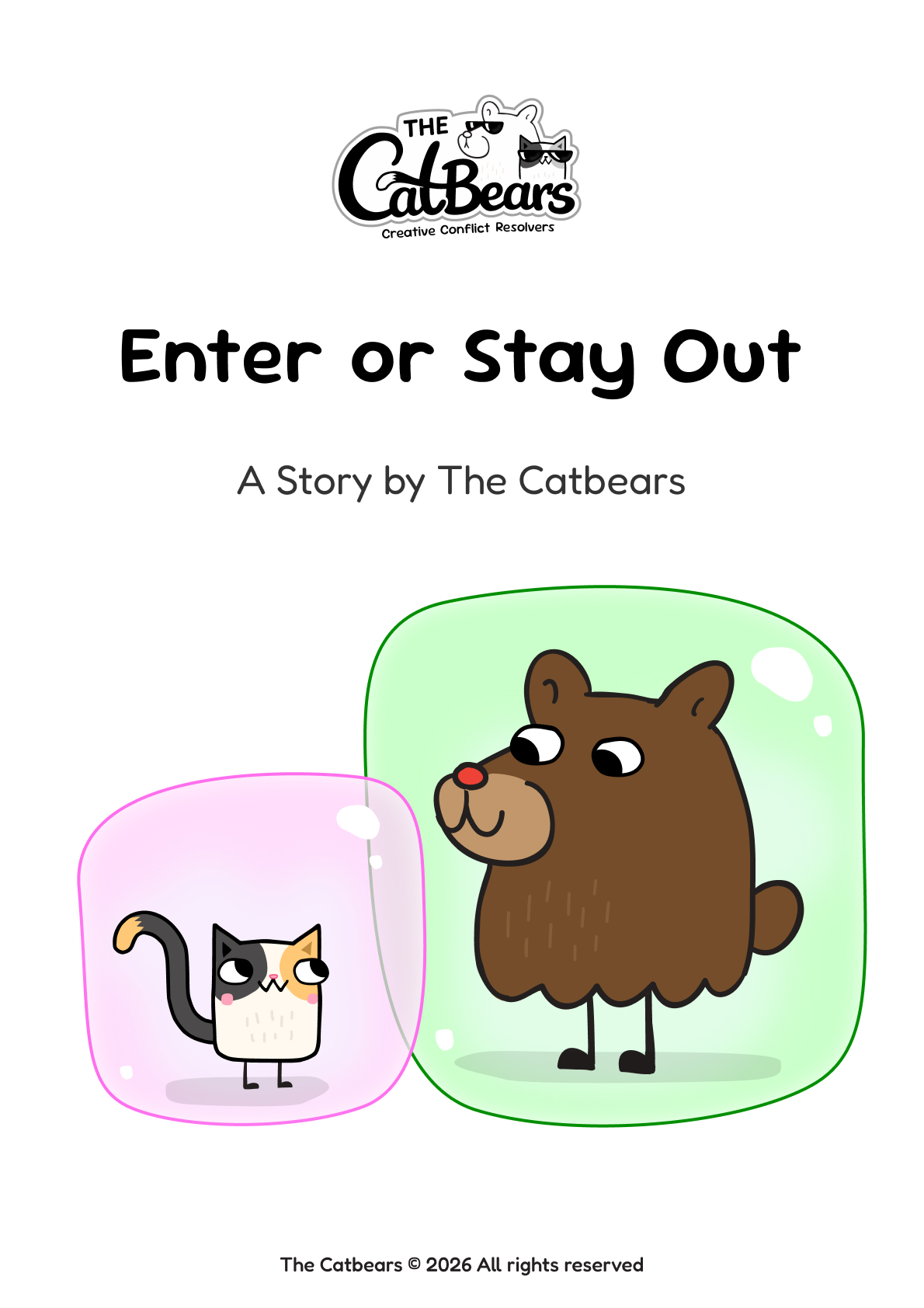
PDF Personal Space Social Story PDF Printable for Kids | Catbears
Personal space social story PDF for kids with autism. Printable visual support that teaches children to recognize body language signs for when to be close and when to give space.
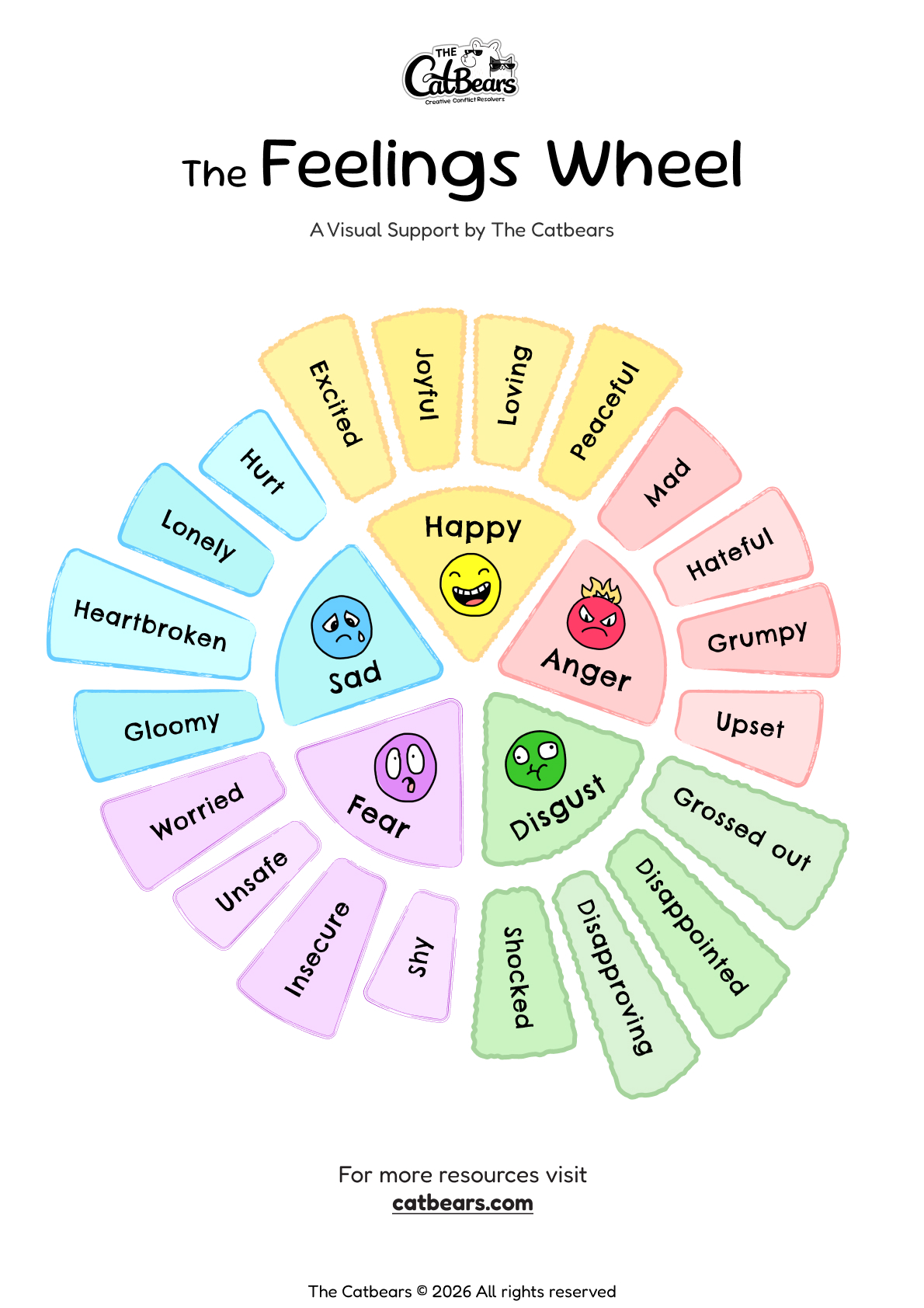
PDF Feelings Wheel Printable PDF for Kids | The Catbears
Free printable feelings wheel PDF for kids, parents, and therapists. Help children identify and express emotions with our emotion wheel — perfect for home, classroom, and therapy. Download instantly.
Explore more from Catbears
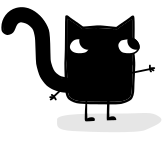
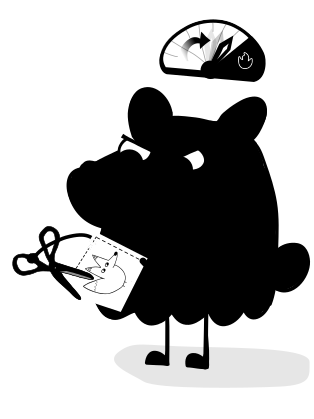
Meet Bear and Cat
Bear and Cat are best friends who don't always agree, but they always figure it out together. Through their adventures, children see how to handle disagreements, share, take turns, and work as a team.

How We Approach Learning
Bear and Cat are different, and that's perfect. Being a Cat is perfect. Being a Bear is perfect. Both can be exactly as they are. They don't need to change themselves. They just need to find ways to interact without harming each other, to compromise when needed, and to trust each other.
Our activities aren't just places where conflicts might happen
They're designed to create predictable moments where something deep in our nature surfaces. The adult's role isn't to prevent it, but to see it coming, maybe even set it up intentionally, and then guide through it.
Take the glue stick: one resource, many children, a moment of waiting. Suddenly you see something very human revealed. The same impulse that looks natural at 4 becomes harder to manage at 14, at 40.
We have an opportunity to learn how to work with this inner force when we're little. Later it's harder. Behavior is harder to change as we grow older.
This is the idea behind our activities. We help adults help their kids practice creating together, and practice resolving conflicts in a positive way.
A different way of connecting
We're trying to connect two things that aren't usually connected: a cat and a bear. To do that, we need to shift perspective, move away from defensiveness, toward understanding. Use a bright and calm tone. Playful, but not over-excited. Amend things, not break them.
We don't push people, we direct and point them. We don't use scare tactics or fear. We never make people feel bad or wrong. We simply help children see that different doesn't mean incompatible.
About The Catbears
Every Catbears resource is developed with therapists, educators, and parents. We translate clinical knowledge into language children actually enjoy, and apply.
Our goal is simple: help children learn to work together, share, and be kind, through stories and activities they actually want to do.
There is no better time than today to equip our children with life skills and tools for social challenges. The Catbears provides this solution.

Frequently Asked Questions
The Catbears helps young kids learn to work together, share, and be kind. You'll find free printable social stories, online SEL games, interactive shows, and craft activities. It all starts with Bear and Cat: two very different friends who show children that being different is perfectly okay, and that we can find ways to get along without harming each other.
Yes! All our social stories and activities are completely free to download and print. No sign-up required. We believe these resources should be accessible to everyone. We also offer interactive apps (Guided Activities) with free trials, so you can explore them before deciding if they're right for your family.
Our resources work best for children ages 3-6, though many activities adapt well for slightly older or younger kids. The content focuses on early social-emotional development, those important moments when children are learning to share, take turns, and create together. We believe these skills are easier to practice when children are young, in focused situations where adults can guide gently.
Bear and Cat are friends who don't always agree, but they always figure it out together. Through their stories, children see that being different is perfect. They see how friends can disagree but still work together, share, take turns, and solve problems collaboratively. Bear and Cat don't change who they are, they learn to interact without harming each other, to compromise when needed, and to trust each other.
Free resources are printable PDFs you can download immediately, social stories and activity pages you can use right away. Our apps (Guided Activities) offer deeper, interactive experiences. They guide you through predictable moments where conflicts might arise, help you see them coming, and show you how to guide children through them positively. Think of free resources as tools you can use anytime, and the apps as guided experiences that help you practice together.
Guided Activities is an online craft course that helps children practice working together. It's called "Build a Cardboard Theatre", a complete project with video tutorials, printable activity pages, and step-by-step guidance. What makes it different is that it's designed to create predictable moments where something natural surfaces. The course shows you what to expect, when conflicts might arise, and how to guide children through them positively. It's not about preventing conflicts, it's about seeing them coming and guiding through them with care.
Our activities aren't just places where conflicts might happen, they're designed to create predictable moments where something deep in our nature surfaces. Take the glue stick example: one resource, many children, a moment of waiting. Suddenly you see something very human revealed. The same impulse that looks natural at 4 becomes harder to manage at 14, at 40. We have an opportunity to learn how to work with this inner force when we're little. Our activities help adults see these moments coming, maybe even set them up intentionally, and then guide children through them positively.
Absolutely! Many educators, therapists, and parents use our resources in schools, therapy sessions, and at home. The materials are designed to be flexible and work in various settings. Whether you're working with one child or a group, the activities adapt to your needs. We believe these resources should be accessible wherever children are learning to work together.
Most activities use common household materials like paper, cardboard, crayons, glue, and scissors. We always list what you'll need before starting an activity. The idea is to keep things simple, so you can focus on the experience of creating together, not on gathering supplies. Some activities, like the Creative Chain, are designed to be the most basic craft project anyone can do without any preparations, but with a strong concept that brings the group together.
Craft activities create focused, confined situations where we can guide children gently. Spontaneous conflicts arise naturally, and that's actually helpful. When children are creating together, sharing materials, taking turns, they're practicing real social skills in a controlled environment. The adult's role isn't to prevent conflicts, but to see them coming, guide through them, and help children practice resolving them in a positive way. These skills are easier to learn when children are young, in situations where adults can provide gentle guidance.